Why Bathroom Remodels Are the #1 Home Project in 2026
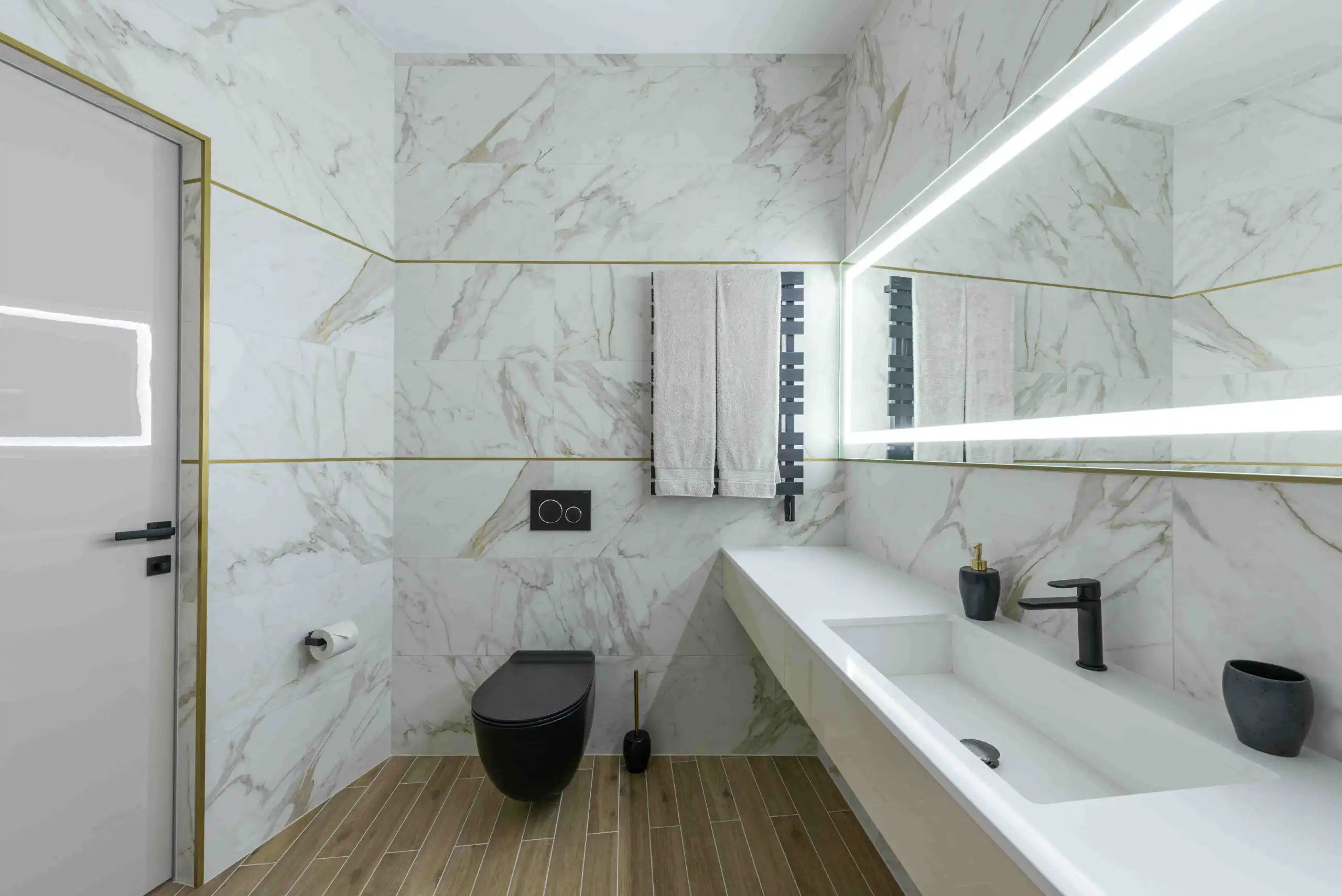
Ask any contractor what the most requested home project is right now and you'll get the same answer: the bathroom. Bathroom renovations have topped home improvement lists for years, but in 2026 a set of converging trends is pushing demand even higher. Whether you're planning a full gut remodel or a targeted refresh, understanding what's driving this wave will help you make smarter decisions about your own project — and your money.
The Value Case Has Never Been Stronger
Bathroom remodels consistently rank among the highest-returning home improvement projects at resale. According to Remodeling Magazine's annual Cost vs. Value report, mid-range bathroom remodels recoup 60–67% of their cost at resale — meaning a $10,000 investment translates to $6,000–$6,700 in added home value. But the raw ROI number doesn't tell the whole story. Updated bathrooms significantly affect how quickly a home sells and at what price point. In competitive markets, a renovated master bathroom is often the deciding factor for buyers comparing otherwise similar homes. Sellers with dated bathrooms face lower offers and longer days on market.
Aging in Place Is Reshaping Bathroom Design
One of the most significant macro trends driving bathroom investment in 2026 is aging-in-place design. Baby Boomers are choosing to stay in their homes longer rather than downsize or move to assisted living, and they're renovating proactively. Walk-in showers with curbless entries, grab bars designed to look like premium hardware, comfort-height toilets, non-slip tile, and wider doorways are being specified now — before they're medically necessary. Gen X homeowners, watching their parents navigate aging in homes that weren't designed for it, are following suit. The AARP reports that nearly 90% of adults over 65 want to remain in their own homes as long as possible. Smart renovators are building for that future today.
Water Efficiency Is Now a Selling Point
Water rates in major U.S. cities have climbed steadily over the past decade, making water-efficient fixtures a practical financial priority rather than a green-leaning nicety. WaterSense-certified showerheads, toilets, and faucets now anchor most mid-range remodels. Low-flow toilets using 1.28 gallons per flush (vs. the pre-1994 standard of 3.5 gpf) and aerated faucets can reduce household water consumption by 20–30% without any perceived loss of performance. Many municipalities offer rebates of $50–$200 for homeowners who install qualifying WaterSense products — a detail worth checking with your local utility before finalizing any fixture selections.
Smart Home Features Are Going Mainstream
Smart bathroom technology has moved decisively from luxury niche to accessible upgrade. Heated tile floors with programmable thermostats, digital shower systems that remember your preferred temperature and pressure, smart mirrors with built-in lighting controls and Bluetooth connectivity, and touchless faucets are all available at entry-level price points — many starting at $150–$400 per feature. As smart home ecosystems become standard infrastructure in American homes, the bathroom is increasingly integrated into that network. Contractors report that homeowners in their 30s and 40s are specifically requesting smart-ready bathrooms even in mid-budget remodels, treating it as infrastructure rather than a luxury add-on.
The Wellness Shift Is Permanent
The pandemic permanently changed how people relate to their homes — particularly private spaces. The bathroom, once purely functional, is now viewed as a wellness zone. Morning routines, recovery rituals, and dedicated self-care practices have elevated the room from utilitarian to essential. This isn't a passing interior design trend; it's a generational value shift that's now baked into how homeowners prioritize spending. The "home spa" concept is driving demand not just for full remodels, but for targeted upgrades: larger showers, soaking tubs, better lighting, heated floors, and premium fixtures at every budget level.
What Homeowners Are Actually Prioritizing
According to the National Association of Home Builders, the most requested bathroom features in new and remodeled homes are larger walk-in showers, double vanities, and quartz or stone countertops. Freestanding soaking tubs have seen a resurgence in popularity after years of decline. Matte black and brushed gold finishes continue to dominate fixture choices. And increasingly, homeowners are asking for spa-level features — heated floors, steam showers, integrated lighting scenes — that would have been considered premium upgrades just five years ago.
The takeaway: Whether you're investing $1,500 in a cosmetic refresh or $30,000 in a complete renovation, the bathroom is the most compelling room to invest in right now. The fundamentals are the same at every budget level: design for how you'll actually live in the space, prioritize features with long-term value over passing trends, and work with contractors who understand both your goals and your numbers. A bathroom that looks great and functions effortlessly is worth every dollar spent getting there.